Showing 1–16 of 18 results
-
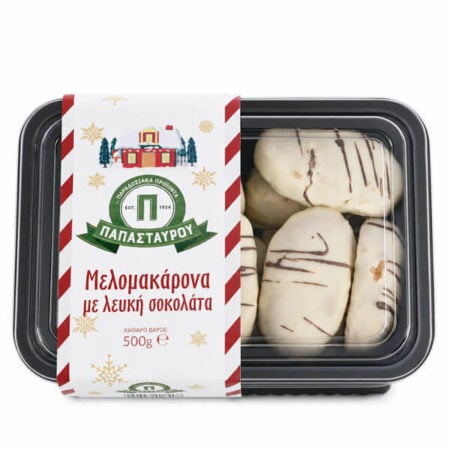
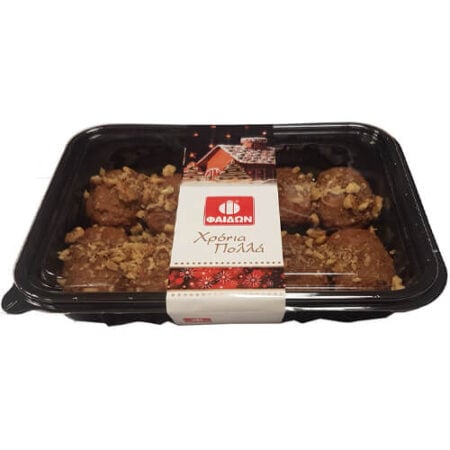
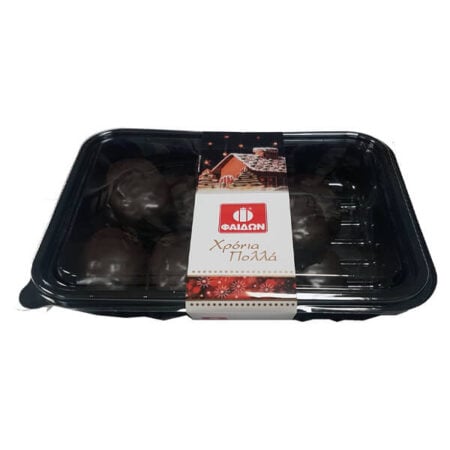
BBE 22-02-2027Παπασταύρου Μελομακάρονα με Λευκή Σοκολάτα 500gOriginal price was: £9.97.£8.97Current price is: £8.97. Add to basket
-
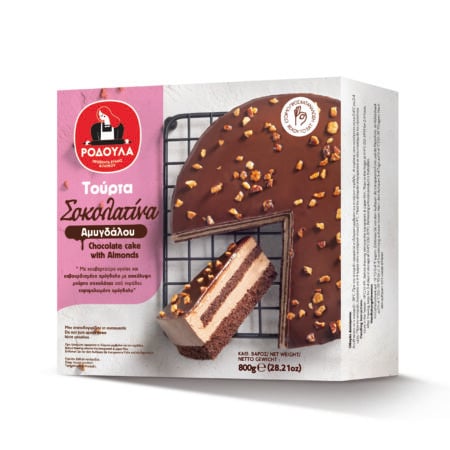
BBE 06-01-2027Τούρτα Σοκολατίνα Αμυγδάλου 800gOriginal price was: £21.97.£11.97Current price is: £11.97. Add to basket
-
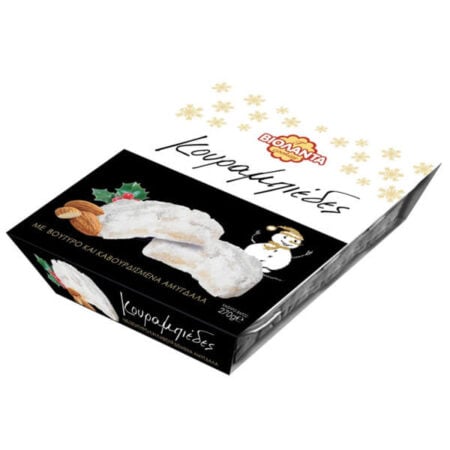
BBE 30-07-2027Βιολάντα Κουραμπιέδες 270gOriginal price was: £8.97.£7.47Current price is: £7.47. Add to basket
-
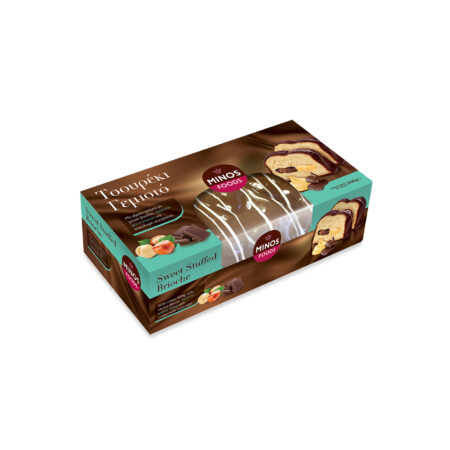
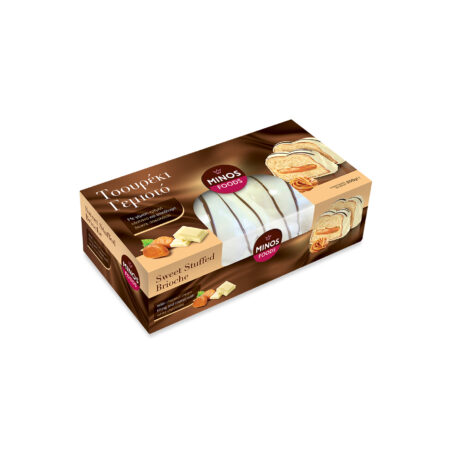
Τσουρέκι με πραλίνα φουντουκιού, κρέμα βανίλια και επικάλυψη σοκολάτας 500gOriginal price was: £15.97.£12.97Current price is: £12.97. Add to basket
-
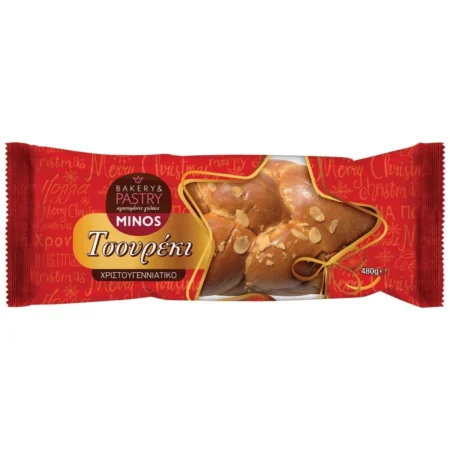
Χριστουγεννιάτικο Τσουρέκι Κοτσίδα 480gOriginal price was: £5.97.£4.97Current price is: £4.97. Add to basket
-
Τσουρέκι με κανέλα και καστανή ζάχαρη 480gOriginal price was: £5.97.£4.97Current price is: £4.97. Add to basket
-
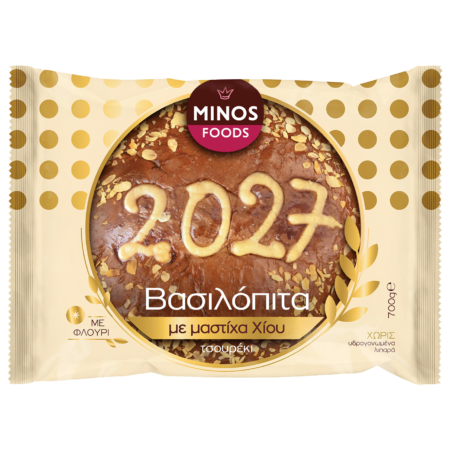
Βασιλόπιτα Τσουρέκι με Μαστίχα Χίου & Φλουρί 700g (Χρυσή Αποτύπωση)Original price was: £9.97.£8.97Current price is: £8.97. Add to basket
-
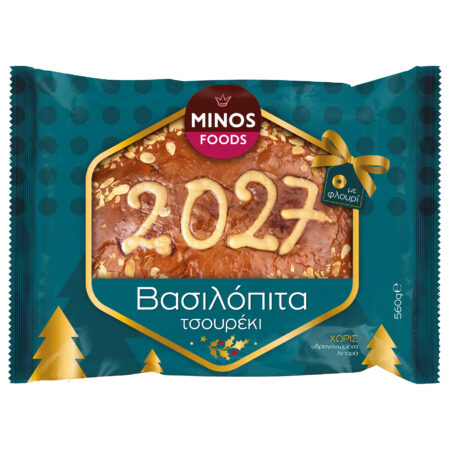
Βασιλόπιτα Τσουρέκι 560g με Φλουρί (Χρυσή Αποτύπωση)Original price was: £8.97.£7.97Current price is: £7.97. Add to basket
-
Τσουρέκι με γέμιση κρέμα κάστανο και επικάλυψη λευκής σοκολάτας 500gOriginal price was: £15.97.£12.97Current price is: £12.97. Add to basket
Showing 1–16 of 18 results
Greek Christmas sweets explained
Melomakarona
Soft cookies made with olive oil, orange juice, cinnamon and cloves, dipped in honey syrup and topped with chopped walnuts. The traditional recipe has no butter or eggs, which is why many families eat them during the Christmas fast. Chocolate-coated versions differ, so check the ingredients on each product page.
Kourabiedes
Buttery almond biscuits, shaped into crescents or rounds and covered in icing sugar. Most Greek homes serve them side by side with melomakarona from early December.
Vasilopita
The cake or tsoureki of Saint Basil, cut on New Year's Day. A coin is hidden inside, and whoever finds it in their slice is said to have luck for the year ahead.
Christmas tsoureki
Sweet braided Greek brioche scented with mahlepi and mastic, often filled or coated with chocolate for the festive season.
Frequently asked questions
What are the traditional Greek Christmas sweets?
Melomakarona and kourabiedes are the two classics. Diples, vasilopita for New Year and festive tsoureki complete the table.
Are melomakarona vegan?
The traditional recipe uses olive oil and no butter, milk or eggs. Shop-bought packs vary, so always check the ingredients and allergens on the product page.
When is vasilopita cut?
On 1 January, the feast of Saint Basil (Agios Vasilios). The head of the family cuts the first slices for Christ, the house and then each person in turn.
When should I order for Christmas?
As early as you can. Christmas sweets come in limited seasonal batches. See our delivery page for the last delivery dates before Christmas.
More for a Greek Christmas
- Greek honey for baking melomakarona at home
- Brioche and tsoureki
- Greek cakes and biscuits
- Greek wine and spirits